Grub Prevention in Illinois: Why Timing is Critical
Every summer, we get calls from homeowners across Chicagoland asking the same question: “Why is my lawn suddenly turning brown?”
In many cases, the culprit isn’t heat or lack of water — it’s grubs quietly feeding below the surface.
The good news? Grub damage is largely preventable. The key is proper timing.
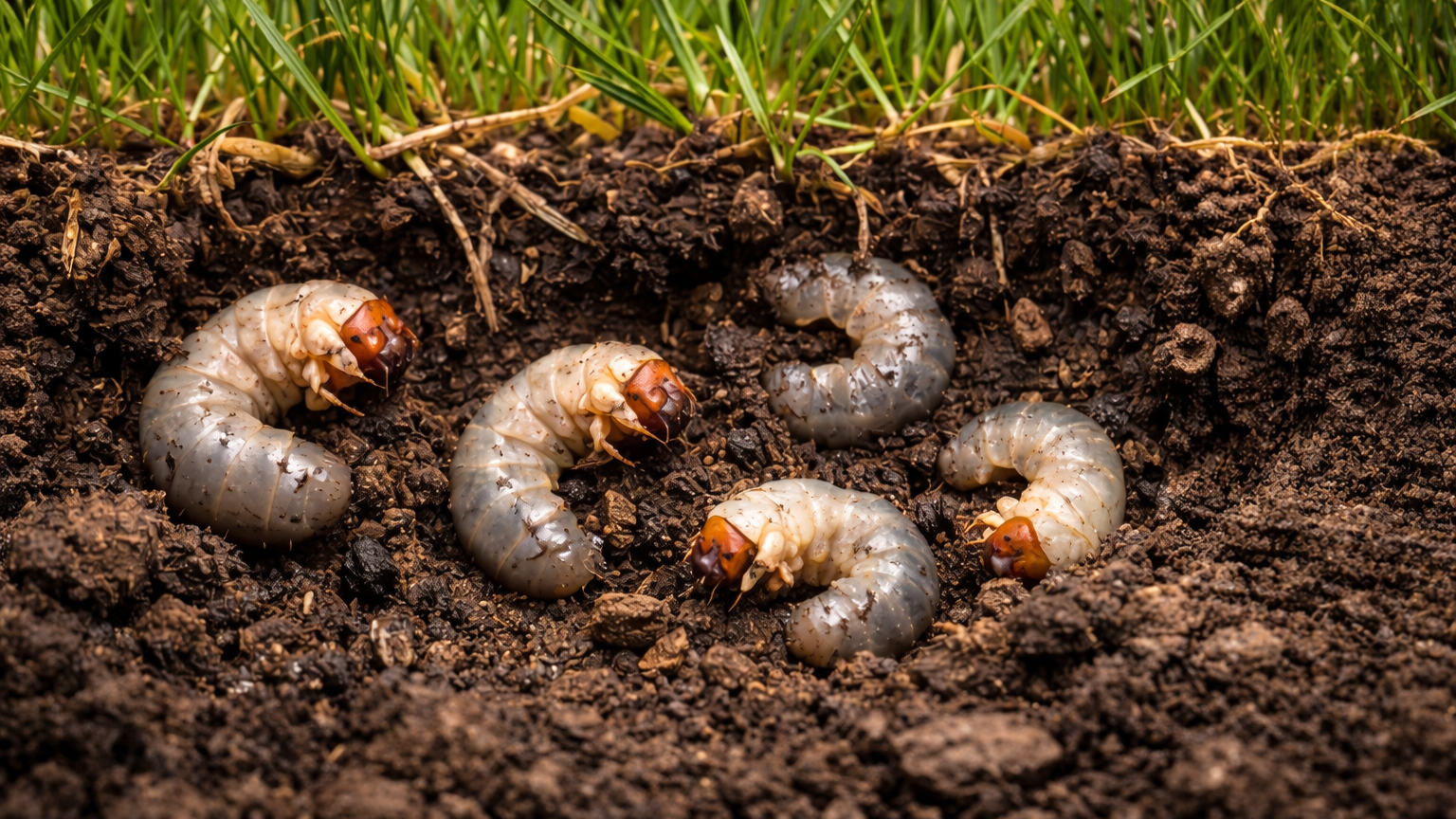
What Are Lawn Grubs?
Grubs are the larvae of beetles, most commonly Japanese beetles and June bugs. They live beneath the soil and feed on grassroots. As they chew through the root system, your lawn loses its ability to absorb water and nutrients.
The result is often:
Irregular brown patches
Turf that pulls up easily like carpet
Increased animal activity (raccoons and skunks digging for food)
By the time visible damage appears, the root system has already been compromised.
When Is The Best Time to Apply Grub Preventative in Illinois?
In northern Illinois and throughout the Chicagoland region, preventative grub control should typically be applied between late May and early July.
This timing allows the treatment to create a protective barrier in the soil just as beetles begin laying eggs. When the larvae hatch, they’re stopped before they can begin feeding aggressively on your lawn’s root system.
Applying too early reduces effectiveness. Applying too late means you’re moving from prevention to damage control.
Timing is everything.
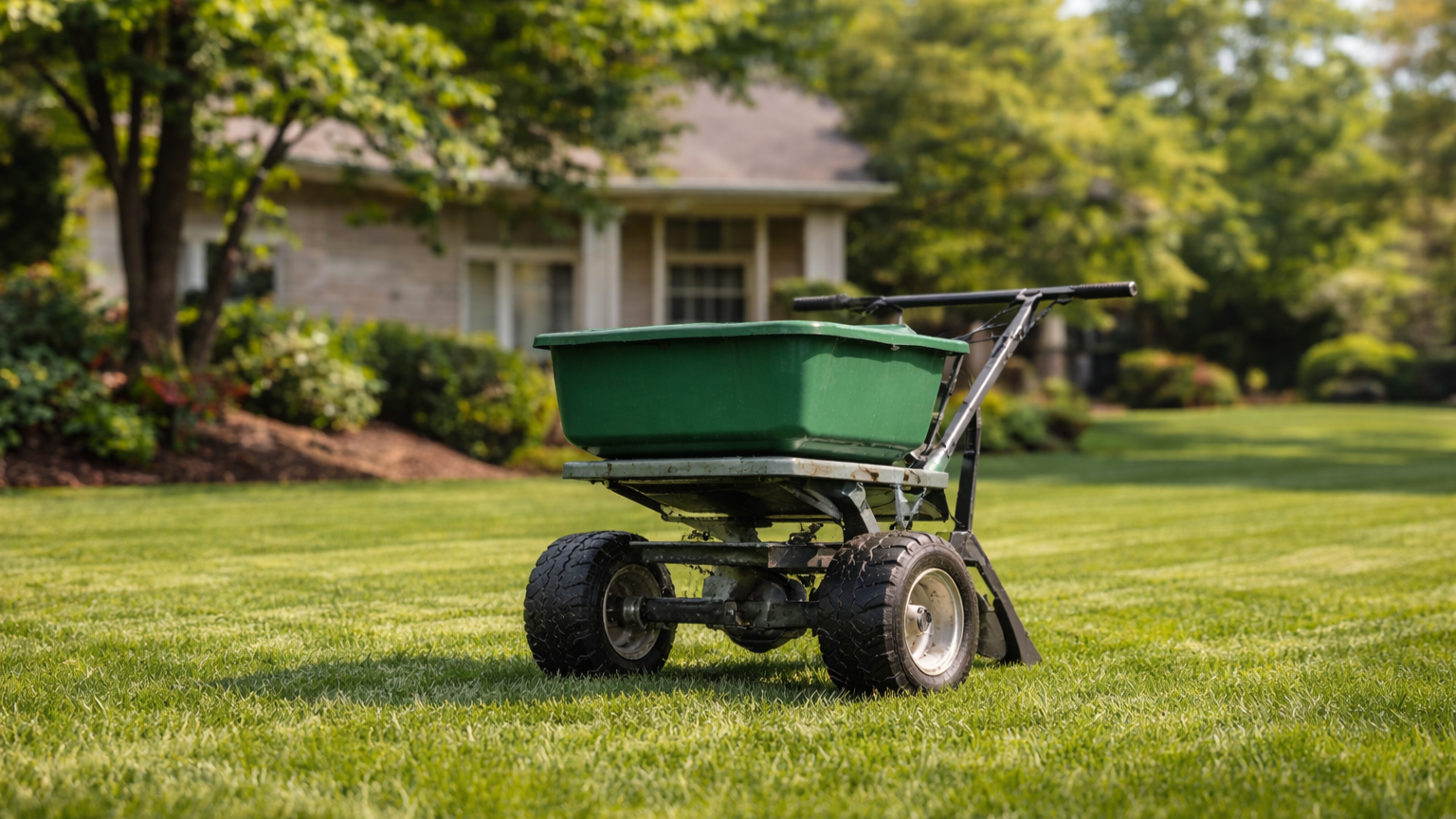
Preventative vs Curative Treatment
It’s important to understand the difference.
Preventative treatments are applied before grubs cause damage. They’re more effective, longer lasting, and easier on your lawn overall.
Curative treatments are used after active damage is visible. While they can reduce grub populations, they don’t undo root damage that’s already occurred.
From a turf health perspective, prevention is always the smarter strategy.
Why Grub Prevention Is Especially Important in Chicagoland
Many properties throughout Illinois — particularly in established neighborhoods with mature trees and irrigated lawns — provide ideal conditions for beetle activity.
Grubs thrive in:
Thick, fertilized turf
Consistently watered lawns
Clay-heavy soils common in our region
If your property has experienced grub issues in the past, preventative treatment becomes even more important.
Protecting the Investment in Your Lawn
If you’re investing in fertilization, aeration, and professional lawn maintenance, protecting your root system should be part of the plan.
Grubs don’t just create cosmetic damage — they weaken turf structure and can undo months of progress in a short period of time.
That’s why many homeowners choose to include grub prevention as part of a comprehensive turf care program rather than waiting to react. (We offer grub prevention for FREE!)

A Smarter Way to Handle Grub Prevention
At Principle Lighting Inc. (home of The Grounds Guys of New Lenox), our Turf Care Division takes a proactive approach to lawn health throughout Chicagoland. We monitor seasonal timing closely to ensure treatments are applied when they’ll be most effective — not simply when it’s convenient.
As part of our current spring offer, we’re including a free grub preventative treatment when you enroll in our 6-Step Turf Care Program along with spring aeration.
It’s a simple way to safeguard your lawn while setting up strong growth for the rest of the season.
Serving Chicagoland Homeowners
Based in New Lenox, we proudly provide professional turf care services throughout Chicagoland and surrounding suburbs, including, but not limited to Frankfort, Manhattan, Mokena, Orland Park, Tinley Park, Burr Ridge, Hinsdale, Naperville, Lemont, Lockport, Palos Heights, and many more.
If you’re unsure whether your lawn is at risk for grubs or want to incorporate preventative protection into your turf plan this season, our team would be happy to evaluate your property and recommend the right approach.
A healthy lawn starts below the surface — and prevention today can save significant repair later.
